As an experienced educator, I take pride in the years of formal pedagogy training I have sought out to effectively teach adult learners. Active engagement with content has repeatedly been shown to drastically increase longterm retention of newly acquired material, which is why I always use challenging guided activities as part of my curriculum.
*If you are an educator that would like to use the activities I have developed, feel free to contact me directly for the instructor versions.
Critical Thinking & Application of Knowledge
Evidence-based pedagogy demonstrates that applying newly acquired knowledge to novel problems increases understanding and retention of material more effectively than traditional forms of knowledge transfer.
Here, I designed group-learning activities for guided application and discussion. These activities were targeted for pre-health undergraduate students enrolled in my Human Physiology course.
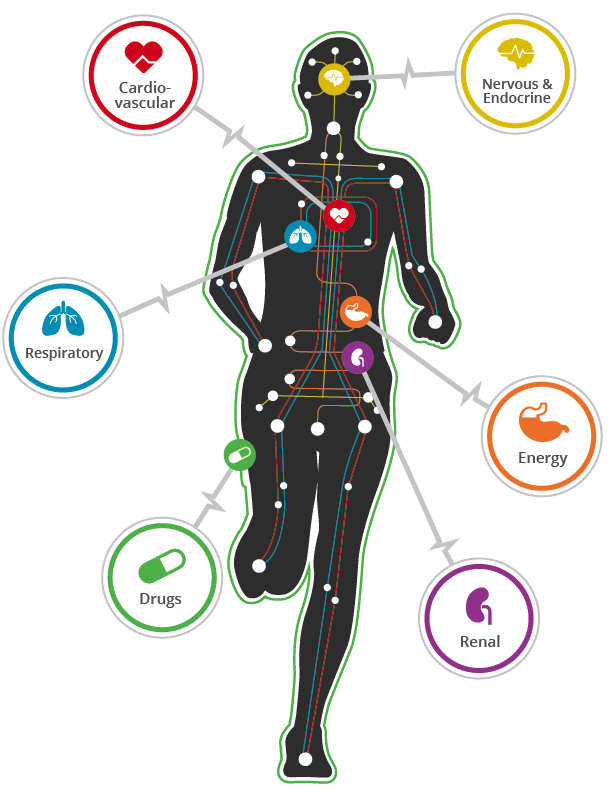
Structured Knowledge Inventory and Reflection
Self-reflection by learners can greatly assist in longterm knowledge retention when learners take time to 1) identify what information they can recall, 2) what information they need to recall but cannot, and 3) what information thought they knew but did not understand correctly.
Using a technique I developed called “inking”, I designed challenging case studies to help learners take a structured inventory of their knowledge and reflect on where they needed to deepen it to better solve novel, challenging problems.

 Amy M. Worthington